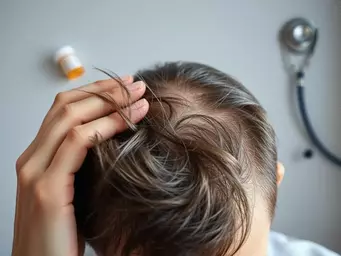

Anagen Effluvium
This type occurs during the growth phase of hair, leading to rapid hair loss. It happens due to drugs that directly attack rapidly dividing cells, including hair matrix cells.
Rapid Onset & Severe Hair Loss
What if your daily medications could be affecting your hair? It’s an often-overlooked concern that many might not consider until they start noticing changes. Understanding this connection can empower you to make informed decisions about your health.
Understanding the fundamental ways medications can lead to hair loss is crucial for effective management. Below is a comparison of the two primary mechanisms.
This type occurs during the growth phase of hair, leading to rapid hair loss. It happens due to drugs that directly attack rapidly dividing cells, including hair matrix cells.
This is a more gradual shedding that happens when hair follicles are pushed prematurely into the resting phase due to stress or medication.
Have you ever wondered if the medications you're taking could contribute to your hair loss? You're not alone in asking this question! Many people are surprised to learn that certain drugs can play a significant role in hair health. In this section, we’ll explore various medications known to cause hair loss, including chemotherapy drugs, antidepressants, and blood pressure medications. Understanding this connection is vital for anyone concerned about their hair.
When it comes to medication-induced hair loss, it often feels overwhelming. However, with knowledge about the medications you’re using, you can take proactive steps to manage your hair health. Here’s a list of some common medications that may trigger hair loss:
If you suspect your hair loss might be linked to your medications, it’s essential to discuss this with your healthcare provider. They might help adjust your treatment plan or suggest alternatives that won't affect your hair.
Medications can provoke hair loss in different ways. For example, chemotherapy drugs can lead to a sudden loss of hair due to their aggressive action on rapidly dividing cells. On the other hand, antidepressants may cause hair thinning by altering hormonal levels in the body. Understanding the specific ways medications affect hair can help you make informed choices.
There are two primary types of drug-induced hair loss you should be aware of:
It's crucial to know which form of hair loss you might be experiencing, as this can influence treatment options.
Understanding the differences between anagen effluvium and telogen effluvium can provide clarity on your situation. Anagen effluvium typically happens due to drugs that directly affect the hair follicles, causing hair to fall out during active growth. Conversely, telogen effluvium usually results from stressors that push hair into the shedding phase. Keeping track of when your hair loss began in relation to starting a new medication can be very helpful.
Recognizing these patterns can aid in discussing your symptoms with a dermatologist. Don’t hesitate to seek help! Identifying the underlying cause is the first step towards effective treatment.
While it’s essential to consider hair loss as a potential side effect, it’s also important to be aware of other common medication side effects. These can include:
Being informed about these side effects can help you gauge the overall impact of your medications on your health and well-being. If you're experiencing multiple side effects, it may be time to have a conversation with your healthcare provider.
In addition to medications, various medical conditions can contribute to hair loss. For instance, autoimmune diseases like alopecia areata can lead to sudden and patchy hair loss. Hormonal imbalances, such as those seen in polycystic ovary syndrome (PCOS), can also disrupt hair growth. Thyroid disorders, too, are often linked to hair thinning.
Understanding the broader picture of hair loss is crucial. Here’s a list of common medical conditions that can impact your hair:
By recognizing these conditions, you can better address any underlying issues contributing to your hair loss.
As we explore how these conditions can lead to hair loss, it’s helpful to note that the mechanisms often involve hormonal changes or inflammatory responses. For example, thyroid dysfunction can disrupt the hair growth cycle, leading to noticeable thinning.
Additionally, genetic factors play a significant role in hair health. If you have a family history of hair loss, this could predispose you to similar issues. But don’t worry! Knowledge is power, and understanding your risks allows you to take proactive steps.
It's fascinating how nutrition affects hair health! Nutritional deficiencies, particularly iron and vitamin D, can significantly impact hair growth and overall health. A well-rounded diet rich in essential vitamins and minerals is crucial for supporting your hair.
Consider these nutrients vital for hair health:
If you think you might be low on these nutrients, consider discussing this with a healthcare provider. Small dietary adjustments can lead to big improvements in your hair health!
The mechanisms behind hair loss often hinge on how medications and medical conditions affect hair follicles and immune responses. For instance, an imbalance in hormones due to medications can disrupt the natural hair growth cycle, leading to premature shedding.
By understanding these mechanisms, we can better navigate our hair loss journey. It’s about piecing together the puzzle of your situation, and I’m here to help guide you along the way. Remember, you’re not alone in this process!
Here's a brief recap of the key points discussed so far:
As we wrap up our discussion on the intricate relationship between medications and hair loss, it’s crucial to highlight how understanding this link can empower you. Knowing that certain medications can trigger hair loss equips you with the information needed to make informed decisions about your health and hair care. Remember, being proactive is essential! Here are some key takeaways:
By taking these steps, you can better navigate your hair health journey and explore appropriate treatments if needed. At What Causes Hair Loss, we are dedicated to providing you with the insights and support you need.
Understanding your individual risk of hair loss due to medications or underlying medical conditions is essential. If you notice thinning hair or increased shedding, consider tracking your medication intake and any changes in your health. This information can be invaluable when discussing concerns with your doctor. Taking action early can lead to better outcomes! Here’s what you can do:
Arming yourself with knowledge is the first step toward managing hair loss effectively. Remember, you are not alone in this journey!
Knowing when to seek professional help for hair loss is crucial. If you notice significant changes in your hair or have concerns about medication side effects, it's advisable to consult a specialist. Here are some indicators that it’s time to reach out:
Consulting a specialist can provide you with a tailored approach to your hair health. As someone with extensive experience in dermatology, I can guide you through various options and help you feel more empowered about your situation. Seeking help is a courageous step towards recovery!
Hair loss can have profound psychological effects that often go unnoticed. Many individuals experience feelings of self-consciousness, anxiety, or even depression due to their changing appearance. It’s essential to acknowledge these feelings and seek support. Here are some ways to address the psychological impact of hair loss:
At What Causes Hair Loss, we understand the emotional weight of hair loss. Remember, your feelings are valid, and seeking help is a strong step towards maintaining your mental well-being. Let’s tackle this together!
Here is a quick recap of the important points discussed in the article:
Dr. Elise Mercer is a dedicated dermatology expert with over a decade of experience specializing in hair health and loss. Passionate about educating, she blends medical knowledge with practical insights to empower individuals, ensuring you receive accurate, comprehensive, and evidence-based information to make informed hair care decisions.
At What Causes Hair Loss, we unravel the complexities of hair loss with science-backed insights, empowering you with dermatologist-reviewed guides and effective solutions for your hair health journey.
Dermatologist-Reviewed Insights