Root Causes of Hair Loss
- • Genetics: Family history is a key predictor.
- • Hormonal Changes: Pregnancy, menopause, thyroid.
- • Medical Conditions: Iron deficiency, lupus, scalp infections.
- • Medications: Certain drugs for cancer, arthritis.
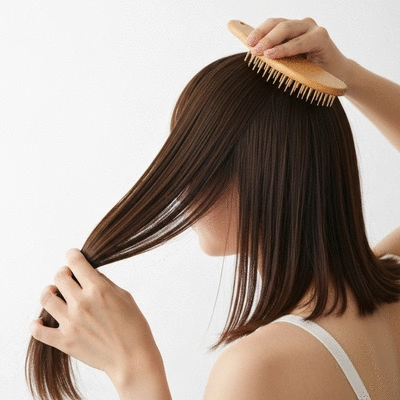
Have you ever noticed more hair in your brush than usual? Understanding the nuances of hair loss can be empowering and essential for addressing the issue effectively. Let’s explore the critical factors that contribute to hair health and how to take action!
Understanding the interplay between various hair loss factors and how they are addressed through regimen and product choices.
Have you ever looked at your hairbrush and noticed more strands than usual? Understanding hair loss and its causes is the first step in addressing this issue. Hair loss is common and can affect anyone, regardless of gender. In this section, we'll explore the various types of hair loss, root causes, and how conditions like dandruff and hormonal imbalances can impact your hair health. Let’s dive in!
Many people experience hair loss at different stages in their lives, and knowing what to expect can be empowering. Together, we’ll uncover the intricate factors contributing to hair thinning and loss.
When it comes to hair loss, there are several common types you might encounter:
Recognizing the type of hair loss you’re dealing with can help you find the most effective treatments available. It’s like solving a mystery—once you identify the culprit, you can tackle it head-on! For comprehensive care and specialized expertise in diagnosing and managing complex hair loss conditions, centers of excellence like the one at Mount Sinai are at the forefront of advancing treatment options.
Now that we understand the types of hair loss, let’s discuss some root causes that may contribute to your situation. Consider these factors:
Identifying these underlying issues is crucial! Once you understand what’s causing your hair loss, you can take appropriate action to mitigate its effects.
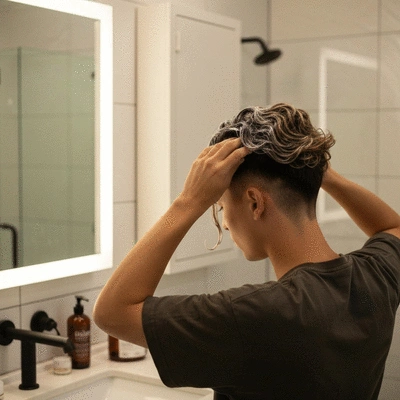
Dandruff might seem like a minor annoyance, but it can significantly affect hair health. This flaky condition is often caused by dry skin or a reaction to certain hair products. Here’s why you need to pay attention to it:
If you’re struggling with dandruff, it’s vital to adopt an effective treatment routine. Healthy scalp = healthy hair!
Hormonal imbalances can be a sneaky contributor to hair loss, often going unnoticed. Common culprits include:
Understanding your hormonal levels through testing can provide valuable insights into your hair loss. If you suspect this is a factor, consulting with a healthcare provider is a proactive step!
Did you know? Incorporating essential oils into your hair care routine can significantly enhance hair health. Oils like rosemary and lavender not only promote growth but also improve scalp circulation. Just remember to dilute them with a carrier oil to maximize benefits and minimize irritation!
The most common types of hair loss include Androgenetic Alopecia (male/female pattern baldness), Alopecia Areata (autoimmune hair loss), Telogen Effluvium (temporary hair loss due to stress), and Traction Alopecia (caused by tight hairstyles).
Hair loss can be caused by various factors, including genetics, hormonal changes (e.g., pregnancy, menopause, thyroid issues), certain medical conditions (e.g., iron deficiency, lupus, scalp infections), and side effects from medications.
Dandruff can significantly impact hair health by causing scalp irritation, inflammation, and disruption of hair follicles, which can impede healthy hair growth. A healthy scalp is crucial for healthy hair.
Beneficial ingredients to look for include Biotin (promotes growth), Keratin (strengthens hair structure), Aloe Vera (soothes and hydrates scalp), and essential oils like Lavender, Rosemary, and Tea Tree oil, which can improve scalp health and stimulate growth.
Yes, it's advisable to avoid sulfates (can cause dryness and irritation), parabens (potential endocrine disruptors), and synthetic fragrances (can lead to allergies and irritation).
Consistency is crucial for achieving and maintaining hair health because it allows your hair and scalp to adapt to the regimen and receive continuous nourishment and care. Regular application of products and treatments yields the best long-term results.
Establishing a strong hair care routine is essential for maintaining healthy locks over the long term. At What Causes Hair Loss, I believe that understanding your unique hair needs is the first step toward crafting a regimen that truly works for you! Let’s explore how to create a sustainable hair care routine that fits seamlessly into your lifestyle.
With these steps in mind, you can build a regimen that not only promotes hair health but also aligns with your daily routine. Let’s dive deeper into specific aspects of hair care that can enhance your journey!
Creating a sustainable hair care regimen means finding a balance that you can maintain. Remember that every individual's hair reacts differently to various products and methods. It’s about trial and error to discover what feels right for you. For example, incorporating weekly deep conditioning sessions can provide necessary hydration and nourishment!
Additionally, consider the climate and environmental factors that might affect your hair care routine. Adjusting your regimen seasonally can make a significant difference. In winter, you might need more moisturizing products, while summer could call for lighter formulas.
Consistency is one of the most crucial factors in achieving hair health. Just like any other part of your wellness journey, sticking to your routine will yield the best results. This doesn’t mean being rigid; rather, it encourages you to pay attention to your hair’s needs and make adjustments as necessary.
By staying consistent, you’ll likely see improvements over time. Don’t forget to enjoy the process—after all, caring for your hair should feel rewarding!
Hair masks and treatments are excellent additions to any hair care regimen. They can provide an extra boost of moisture or repair, depending on your hair's needs. At What Causes Hair Loss, I often recommend trying a few different types to see which works best for you.
Incorporating these masks into your routine, even just once a week, can make a world of difference in the health and appearance of your hair!
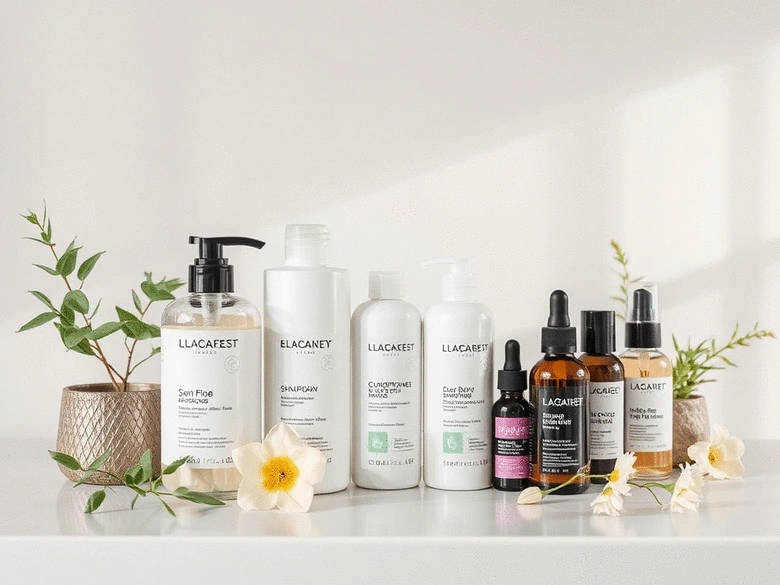
When selecting products for your hair, being aware of the ingredients can help you make better choices. Some ingredients can be incredibly beneficial, while others may do more harm than good. I often emphasize the importance of reading labels at What Causes Hair Loss to empower my readers!
Knowing which ingredients to look for is essential to support your hair health. Here are some beneficial ingredients that can enhance your hair care routine:
On the flip side, be cautious about ingredients like sulfates, parabens, and synthetic fragrances, which can cause dryness and irritation. Understanding this can help you choose products that align with your hair goals!
If you're feeling overwhelmed by product choices, here’s a quick-reference checklist to guide you:
This checklist can simplify the process and help you feel more confident in your decisions.
Natural hair care options are becoming increasingly popular, and for good reason! Essential oils, in particular, can offer numerous benefits for hair health. They can promote growth, add shine, and improve overall scalp health.
Incorporating these oils into your routine can be both enjoyable and beneficial. Just remember to dilute them with a carrier oil to avoid irritation!
Now that you have a solid understanding of how to reinforce your hair care routine, it’s time to take action! The journey to healthier hair is not just about what you do, but also about how you feel while doing it.
Start implementing your tailored hair care routine today! Choose a day to wash your hair, apply a deep conditioning treatment, or explore a new product. Remember, it’s all about finding what feels right for you. Be sure to document your experiences and listen to your hair’s responses as you go along.
Engaging with a community of fellow hair care enthusiasts can provide additional support and inspiration. Whether it's through online forums, social media groups, or local meet-ups, connect with others who share your passion for hair health. Sharing experiences and tips can make your journey feel less lonely!
Lastly, consider adding hair vitamins or supplements to your daily routine. These can support hair growth from the inside out. Look for those that are dermatologist-recommended and tailored to your specific needs, such as biotin, folic acid, or omega fatty acids.
By taking these actionable steps, you're setting the stage for a successful hair care journey. Let’s continue to explore the myriad of options available to support your hair health!
Here is a quick recap of the important points discussed in the article:
Dr. Elise Mercer is a dedicated dermatology expert with over a decade of experience specializing in hair health and loss. Passionate about educating, she blends medical knowledge with practical insights to empower individuals, ensuring you receive accurate, comprehensive, and evidence-based information to make informed hair care decisions.
At What Causes Hair Loss, we unravel the complexities of hair loss with science-backed insights, empowering you with dermatologist-reviewed guides and effective solutions for your hair health journey.
Dermatologist-Reviewed Insights