Increased ATP Production
LLLT enhances the production of adenosine triphosphate (ATP), a vital energy source for cell function, crucial for active hair follicle growth.
Mechanism
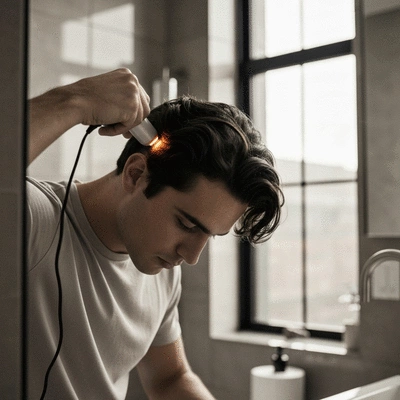
What if the solution to your hair loss lies in the gentle touch of light? Low-level laser therapy (LLLT) is redefining hair restoration, and its non-invasive nature makes it an appealing choice for many. Let’s explore the transformative potential of this innovative treatment.
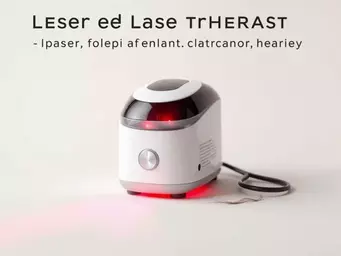
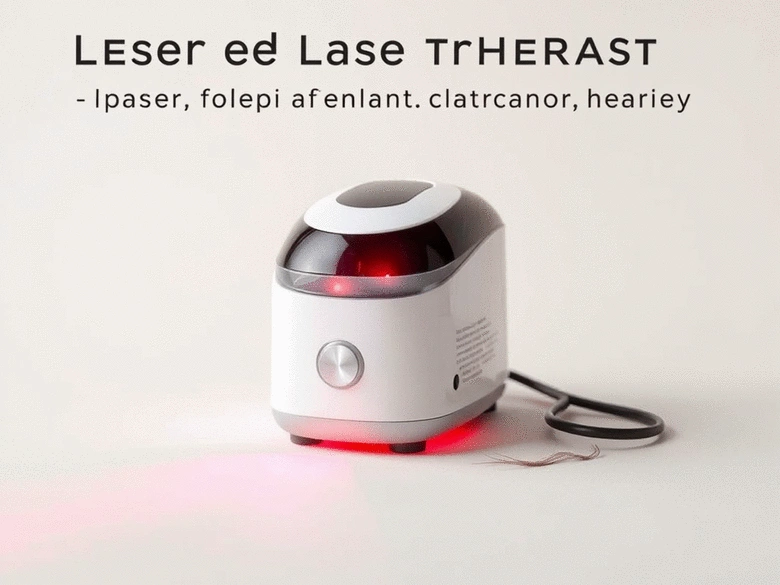
This visual outlines the core mechanisms of Low-Level Laser Therapy (LLLT) and key considerations for its efficacy in hair restoration.
LLLT enhances the production of adenosine triphosphate (ATP), a vital energy source for cell function, crucial for active hair follicle growth.
The therapy boosts blood flow to hair follicles, delivering essential nutrients and oxygen required for healthy hair growth.
LLLT may help decrease inflammation around hair follicles, creating a healthier environment conducive to hair regrowth.
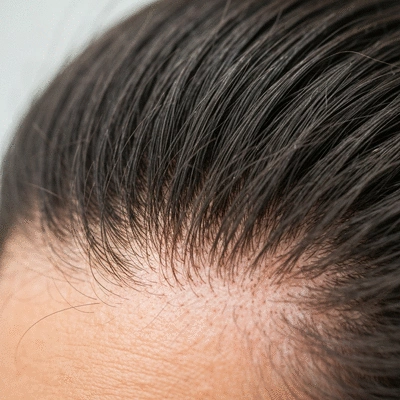
Results vary based on hair loss type, overall health, and adherence to treatment protocols. Personalized assessment is key.
Laser therapy has emerged as a promising option for those experiencing hair loss. Specifically, low-level laser therapy (LLLT) offers a non-invasive approach to stimulate hair regrowth. By utilizing light at specific wavelengths, this treatment aims to invigorate hair follicles, promoting healthier hair growth.
At What Causes Hair Loss, we understand that navigating the various treatment options can be overwhelming. That's why I aim to provide you with clear, science-backed insights into how LLLT works and what you can expect from it.
Laser therapy for hair restoration involves the use of specific wavelengths of light to stimulate cellular activity within hair follicles. This treatment is primarily known as low-level laser therapy (LLLT), which is a non-invasive and painless procedure. LLLT is designed to enhance blood flow to the scalp and increase energy production in cells.
Understanding the principles behind laser therapy can help you feel more confident in your hair restoration journey. With a focus on safety and efficacy, let's explore how LLLT works in more detail.
Low-level laser therapy operates through a process known as photobiomodulation. This involves the absorption of laser light by the cells within hair follicles, leading to increased cellular metabolism. As a result, the treatment promotes hair follicle activity, potentially reversing the effects of hair loss.
As a dermatology expert, I find the science of laser therapy fascinating! The combination of these mechanisms creates a supportive environment for hair regrowth, which can be especially beneficial for those dealing with conditions like androgenetic alopecia. Recent research published in PMC NCBI further supports the efficacy of LLLT in stimulating hair growth.
The effectiveness of laser therapy is an important consideration for anyone exploring hair restoration options. Understanding the scientific evidence behind LLLT can help you make informed decisions about your treatment journey. Clinical studies, such as those discussed in JMIR Dermatology, consistently highlight the positive impact of LLLT on hair density and thickness. Furthermore, insights from PMC NCBI provide additional evidence regarding the biological mechanisms and clinical outcomes of LLLT for hair loss.
For optimal results with low-level laser therapy (LLLT), consistency is key! Regular use of your LLLT device as recommended can significantly enhance your hair regrowth outcomes. Consider setting a routine that fits seamlessly into your daily life, ensuring you never miss a session.
As we wrap up our exploration of laser therapy for hair restoration, it's essential to consider its benefits alongside individual circumstances. Laser therapy, particularly low-level laser therapy (LLLT), offers a non-invasive option that can promote hair regrowth for many individuals facing hair loss. With FDA-cleared devices and a growing body of research supporting its efficacy, LLLT stands out as a credible treatment option in the realm of hair restoration.
However, it’s crucial to keep in mind that results can vary. Factors such as the type of hair loss, overall health, and adherence to treatment protocols play a significant role in the success of laser therapy. Many patients have reported improvements in hair density and satisfaction, but like any treatment, it’s important to have realistic expectations.
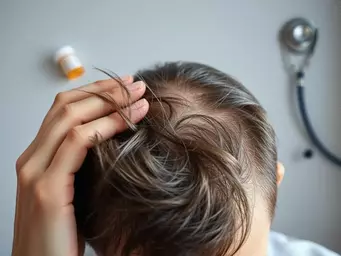
If you’re considering laser therapy, I encourage you to take the next step and consult with a healthcare provider. Discussing your individual hair loss situation and treatment goals can yield personalized recommendations tailored to your needs. Here are some key points to discuss during your consultation:
Taking this proactive approach can empower you to make informed decisions about your hair restoration journey. Remember, I’m here to help guide you every step of the way!
In the ever-evolving world of hair restoration, staying informed is vital! I recommend exploring reputable sources to deepen your understanding of laser therapy and other hair loss treatments. Here’s a list of resources that can enhance your knowledge:
By utilizing these resources, you can keep up-to-date with advancements in laser therapy and other treatment options. Remember, understanding your choices is a powerful part of your journey toward achieving healthier hair. Together, we can unlock the secrets to restoring your confidence!
Here is a quick recap of the important points discussed in the article reminiscent of a scientific overview:
Dr. Elise Mercer is a dedicated dermatology expert with over a decade of experience specializing in hair health and loss. Passionate about educating, she blends medical knowledge with practical insights to empower individuals, ensuring you receive accurate, comprehensive, and evidence-based information to make informed hair care decisions.
At What Causes Hair Loss, we unravel the complexities of hair loss with science-backed insights, empowering you with dermatologist-reviewed guides and effective solutions for your hair health journey.
Dermatologist-Reviewed Insights