
Normal State
10-15% Telogen Phase
Feeling overwhelmed by hair loss? You're not alone. Many people experience Telogen Effluvium, a condition that can leave you feeling anxious and confused. Understanding this phenomenon and its triggers can empower you to take charge of your hair health and regain your confidence!
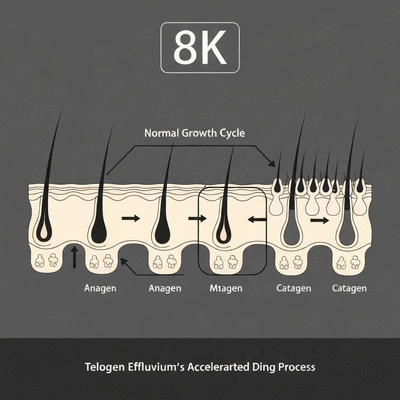
This visual represents key information about Telogen Effluvium, highlighting the normal hair growth cycle versus the accelerated shedding seen in this condition, along with common triggers and recovery insights.
Normal State
10-15% Telogen Phase
Telogen Effluvium
Increased % Telogen Phase
"Larger than normal number of hairs enter the telogen (resting) phase prematurely."
"Disrupt normal hair growth cycle, leading to premature shedding."
"Recovery is a journey. Understanding and support are vital."
"Balanced diet supports hair growth and resilience."
Have you ever wondered why your hair seems to be shedding more than usual? You might be dealing with a condition known as Telogen Effluvium. This fascinating phenomenon affects many people, and understanding it is crucial for regaining control over your hair health. Let's delve into what Telogen Effluvium is and how it can impact your beautiful locks!
At its core, Telogen Effluvium is a temporary form of hair loss that occurs when a larger than normal number of hairs enter the telogen phase of the hair growth cycle. Typically, only about 10-15% of your hair is in this resting phase at any given time. However, with Telogen Effluvium, this percentage can increase significantly, leading to noticeable shedding and thinning.
Understanding the mechanics behind Telogen Effluvium is essential. When stressful events, hormonal changes, or other triggers occur, they can push hair follicles into the telogen phase prematurely. As a result, affected individuals may experience excessive hair shedding, often noticeable in their shower drain or on their hairbrush.
Recognizing these factors can empower you to take charge of your hair health. If you suspect you’re experiencing Telogen Effluvium, it's essential to consult a professional for guidance and support!
Identifying Telogen Effluvium early can make a significant difference in your recovery journey. The sooner you understand the signs and symptoms, the quicker you can address the underlying causes. Early intervention not only helps in managing hair loss, but it also plays a vital role in reducing emotional distress associated with this condition.
Many people feel overwhelmed when they notice their hair thinning, and rightly so! That’s why I encourage you to keep an eye out for early signs like sudden shedding or noticeable thinning patches. By being proactive, you can access effective treatments and regain your confidence.
Now that we’ve established what Telogen Effluvium is, let's explore the various causes behind it. Understanding these triggers can help you better manage your hair health and possibly prevent future episodes of hair loss.
In my experience, it’s essential to look at both your lifestyle and health to grasp how they might contribute to hair loss. If you suspect that you've encountered any of these triggers, I'd recommend seeking advice tailored to your specific situation.
Two significant factors often associated with Telogen Effluvium are stress and hormonal changes. Stress—whether from work, life changes, or health issues—can push your body into a reactive state, impacting hair growth. Similarly, hormonal fluctuations during pregnancy, menopause, or even as a result of medications can also lead to increased shedding. The National Center for Biotechnology Information provides further details on these common causes.
Recognizing these triggers can empower you to take preventive measures. Want to learn more about managing stress for better hair health? Stay tuned!
Medical conditions can significantly contribute to the onset of Telogen Effluvium. Conditions such as thyroid disorders, autoimmune diseases, and severe infections can all initiate hair shedding. Understanding this connection can help you work with your healthcare provider to create a comprehensive treatment plan.
If you’re experiencing unusual hair loss, it’s crucial to have a conversation with your doctor. They can conduct tests to determine if an underlying condition is affecting your hair growth.
Did you know that what you eat can greatly impact your hair health? Nutritional deficiencies, particularly in iron, zinc, and protein, can hinder hair growth and contribute to hair loss. Eating a balanced diet rich in these essential nutrients is vital for maintaining a full and healthy head of hair!
By focusing on nutrition, you can not only improve your overall health but also support your hair's growth and resilience!
One specific nutritional deficiency that can lead to hair loss is iron deficiency anemia. When your body lacks sufficient iron, it can lead to weakened hair follicles and increased shedding. It’s important to monitor your iron levels, especially if you notice changes in your hair.
Incorporating iron-rich foods like spinach, red meat, and legumes into your diet can make a significant difference. If you suspect you have anemia, I recommend discussing this with your healthcare provider to explore testing and treatment options.
Did you know? Keeping a hair journal can be an invaluable tool in managing Telogen Effluvium. By tracking your daily stress levels, diet, and any changes in your health, you can identify patterns that may contribute to hair loss. This insight will empower you to make informed decisions about your lifestyle and seek targeted help when necessary!
Here are some common questions and answers to further clarify Telogen Effluvium:
As we wrap up our discussion on Telogen Effluvium, it's important to remember that recovery is a journey. Understanding this condition can empower you to take the necessary steps toward restoring your hair health. My experience as a dermatologist has taught me that reassurance and support play vital roles in this process. You're not alone in this—many people face similar struggles, and there's a path forward!
To summarize, here are some key insights to keep in mind:
By keeping these points in mind, you can navigate the challenges of Telogen Effluvium with confidence and clarity. Remember, empowering yourself with knowledge is the first step towards reclaiming your hair health!
When it to overcoming Telogen Effluvium, the right support system is crucial. Whether it's family, friends, or a professional like myself, having people who understand what you're going through can make all the difference. It’s not just about treatments; it’s also about emotional well-being. Have you considered joining a support group or speaking with someone who has experienced similar challenges? These connections often provide valuable insights and encouragement.
Additionally, don’t underestimate the power of educating those around you. Sharing information about Telogen Effluvium can foster understanding and create a supportive environment that aids in your recovery. Everyone deserves to feel confident and supported during tough times!
Here is a quick recap of the important points discussed in the article:
Dr. Elise Mercer is a dedicated dermatology expert with over a decade of experience specializing in hair health and loss. Passionate about educating, she blends medical knowledge with practical insights to empower individuals, ensuring you receive accurate, comprehensive, and evidence-based information to make informed hair care decisions.
At What Causes Hair Loss, we unravel the complexities of hair loss with science-backed insights, empowering you with dermatologist-reviewed guides and effective solutions for your hair health journey.
Dermatologist-Reviewed Insights