
Factor 1
Hairstyles Causing Tension
- ✓ Tight braids/cornrows
- ✓ High ponytails
- ✓ Weaves & extensions
Constant pulling weakens follicles.
What if the key to maintaining your hair health lies in the styles you choose? Understanding traction alopecia can empower you to make informed decisions and protect your locks.
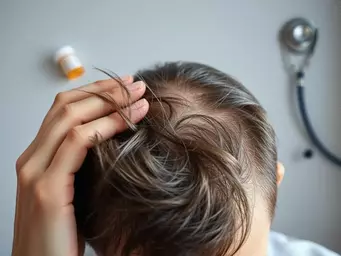
This visual outlines the primary factors contributing to traction alopecia and highlights essential prevention strategies. By understanding these elements, you can make informed choices for healthier hair.
Constant pulling weakens follicles.
Increases susceptibility to breakage.
Reduces tension, prevents damage.
Early intervention and tracking are key.
Have you ever felt a tightness around your scalp after wearing your favorite hairstyle? If so, you might be experiencing traction alopecia. This condition occurs when hair is pulled too tightly, leading to hair loss. At What Causes Hair Loss, I aim to empower you with knowledge about this common but often overlooked issue. Let’s explore what traction alopecia is, why it happens, and how it affects your hair health!
Traction alopecia is a type of hair loss that results from prolonged tension on the hair follicles. It can affect anyone, regardless of age or gender, but is particularly prevalent among those who frequently wear tight hairstyles. Over time, this constant pulling can weaken the hair shaft, leading to breakage and thinning. So, if you find your styles becoming a bit too tight, it might be time to reconsider your choices!
It’s important to recognize that traction alopecia can be reversible if caught early. By identifying the signs and adjusting your hairstyling practices, you can safeguard your hair health. Remember, being informed is the first step toward prevention!
The hairstyles we choose can significantly impact our hair health! Styles that involve tight pulls, such as braids, ponytails, or buns, can contribute to traction alopecia. Here are some common culprits:
By being mindful of these styles, you can take proactive steps to prevent hair loss. Research published in PMC NCBI further highlights that traction alopecia arises from repetitive tension on hair follicles. Remember, your hair deserves a break sometimes—looser styles can be just as fashionable!
Several factors can increase the risk of developing traction alopecia. It’s essential to recognize these so you can adjust your styling habits accordingly. Some risk factors include:
As a dedicated advocate for hair health, I encourage you to evaluate your styling choices regularly. Small changes can make a big difference in maintaining your beautiful locks!
Genetics plays a crucial role in our hair health. If you have a family history of hair loss, you may be more likely to experience traction alopecia, especially if combined with tight hairstyles. Understanding your genetic predisposition can help you manage and mitigate risks more effectively. For a deeper understanding of how systemic diseases and other factors influence hair loss, you can refer to insights from JAMA Dermatology.
Consider discussing your family’s hair health history with a dermatologist. They can provide insights tailored to your unique situation, helping you make informed decisions about your hair care!
Did you know that stress can also contribute to hair loss? When we're under pressure, our bodies react in various ways, including impacting our hair health. Stress may exacerbate conditions like traction alopecia—making it even more important to manage your stress levels. Here are some stress management techniques you might find helpful:
By addressing stress effectively, you can support your hair’s health, allowing it to thrive rather than thin. Remember, taking care of your overall well-being can have a positive impact on your hair!
To minimize the risk of traction alopecia, consider scheduling "hair breaks." Allow your hair to rest from tight styles by alternating between looser hairstyles and giving your scalp time to recover. This simple practice can significantly enhance your hair's health and resilience!
Understanding traction alopecia is crucial for anyone looking to maintain their hair health. It’s often caused by hairstyles that pull on the hair follicles over time, leading to hair loss. The most common culprits? Tight styles like braids, cornrows, and even high ponytails can contribute to this condition. Knowing these causes can empower you to make better styling choices!
Let’s recap some of the hairstyles to avoid for optimal hair health. It’s essential to steer clear of styles that exert significant tension on your hair. Here’s a quick list of those risk-prone hairstyles:
By recognizing these high-risk styles, you can make informed decisions to protect your hair from unnecessary stress and damage.
We all love a good hairstyle, but let's make sure they are safe for our hair! Encouraging safe hairstyling practices is vital for maintaining your hair's integrity and preventing traction alopecia. Simple adjustments can make a world of difference! For example, opting for looser styles can significantly reduce tension on your hair follicles.
Here are some safe hairstyling practices to consider:
Implementing these practices fosters a healthy environment for your hair to thrive while allowing you to express your style creatively!
Traction alopecia is a type of hair loss caused by prolonged and repetitive tension on hair follicles, often due to tight hairstyles.
Tight hairstyles such as braids, cornrows, high ponytails, weaves, and extensions are common culprits.
Yes, if caught early, traction alopecia can often be reversed by changing styling habits and reducing tension on the hair. However, prolonged damage can lead to permanent hair loss.
Risk factors include hair texture (curly/coily hair is more susceptible), frequent wearing of tight hairstyles, existing hair damage, and genetic predisposition to hair thinning.
Prevention involves choosing loose hairstyles, using soft hair ties, limiting heat styling, scheduling "hair breaks," and maintaining a personalized hair care routine. Consulting a dermatologist and keeping a hair diary can also help.
While not a direct cause, stress can exacerbate hair loss conditions, including traction alopecia. Managing stress through exercise, mindfulness, and a healthy work-life balance can positively impact hair health.
It is advisable to consult a dermatologist if you notice significant hair loss, changes in hair texture, or suspect you might have traction alopecia. They can provide tailored advice and effective solutions.
Now that we’ve covered the essentials, it’s time to take action! The journey to preventing hair loss starts with understanding your unique hair care needs. At What Causes Hair Loss, I recommend personalizing your hair care routine based on your hair type and lifestyle. This not only helps you choose appropriate hairstyles but also enhances the overall health of your hair. The Annals of the Academy of Medicine, Singapore provides additional context on traction alopecia as an under-recognized cause of hair loss, particularly in women, emphasizing the importance of informed prevention.
Here’s how to tailor your routine:
Personalizing your hair care isn’t just about products; it’s about understanding what works best for you!
Consulting with a dermatologist is one of the best steps you can take for your hair. As a dermatology expert, I can’t emphasize enough the value of professional advice! Dermatologists can provide tailored recommendations that consider not only your hair condition but your overall health as well.
Should you find yourself facing significant hair loss or changes in hair texture, seek out a specialist. They can help you identify underlying issues and provide effective solutions.
Finally, one effective method to keep tabs on your hair health is to maintain a hair diary. Documenting changes, hairstyles, products used, and even your stress levels can provide valuable insights. You might be surprised by what you discover!
Here’s what to include in your hair diary:
Tracking your hair health over time can guide you in making better choices that promote the growth and maintenance of healthy hair!
Here is a quick recap of the important points discussed in the article:
Dr. Elise Mercer is a dedicated dermatology expert with over a decade of experience specializing in hair health and loss. Passionate about educating, she blends medical knowledge with practical insights to empower individuals, ensuring you receive accurate, comprehensive, and evidence-based information to make informed hair care decisions.
At What Causes Hair Loss, we unravel the complexities of hair loss with science-backed insights, empowering you with dermatologist-reviewed guides and effective solutions for your hair health journey.
Dermatologist-Reviewed Insights