Benefits of Exosome Therapy
- ✔Fewer invasive procedures
- ✔Positive results in initial studies
- ✔Promotes overall scalp health
Exosome therapy is opening new doors for those experiencing hair loss, but how much do you really know about its potential? This innovative treatment could be the solution you've been seeking—let's explore the key insights you need to understand.
A quick look at the advantages and potential drawbacks of exosome therapy for hair regrowth, along with key factors patients should consider.
Have you heard about exosome therapy and its potential to help with hair loss? As a dermatologist dedicated to understanding hair health, I find this emerging treatment fascinating! It offers a glimpse into the future of hair restoration, especially for those struggling with alopecia. Let’s delve into what exosome therapy is and how it works.
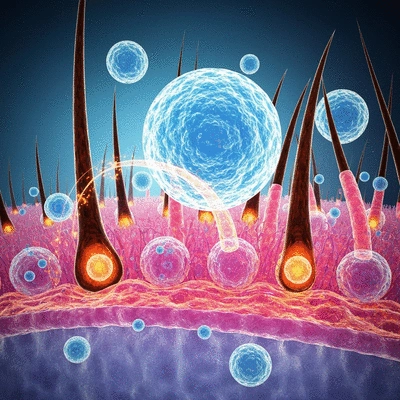
Exosome therapy is a cutting-edge treatment that harnesses the power of exosomes, which are tiny vesicles secreted by cells. These exosomes play a crucial role in cell communication and can carry valuable information to other cells. Essentially, they act like messengers, delivering important signals that can promote healing and regeneration in hair follicles. Isn't it amazing how our body has such intricate ways of healing itself?
This therapy is still in its early stages, and ongoing research continues to explore its full potential. However, the initial findings are promising, paving the way for innovative solutions to hair loss.
Now, you might wonder how exactly exosomes contribute to hair growth. Let’s break it down into two main areas: molecular mechanisms and the activation of growth factors.
Exosomes trigger several molecular mechanisms that promote hair follicle growth. They engage in signaling pathways that nurture the hair matrix and stimulate follicle cells. For example, they can activate pathways that regulate angiogenesis (the formation of new blood vessels), which is vital for delivering nutrients to hair follicles. Research published in PMC NCBI has highlighted the role of exosome-mediated signaling in promoting hair growth, showcasing potential therapeutic applications.
Moreover, exosomes are rich in growth factors that encourage the proliferation of stem cells and fibroblasts within the hair follicle. These cells are essential for maintaining the hair growth cycle. Think of them as the builders that help create a strong foundation for new hair! This interaction between exosomes and hair follicle cells is what makes this therapy so intriguing.
Mesenchymal stem cells (MSCs) play a pivotal role in exosome therapy. These stem cells are known for their ability to differentiate into various cell types and support tissue regeneration. When MSCs release exosomes, they carry signals that not only promote hair growth but also enhance the environment around hair follicles. The regenerative capabilities of MSCs and their therapeutic potential in treating various conditions, including hair loss, are well-documented in studies like those found on PubMed.
Integrating MSCs into exosome therapy showcases the potential of combining innovative techniques with proven biological mechanisms. It’s an exciting time in the field of dermatology, especially for those of us passionate about hair health!
As we explore the effectiveness of exosome therapy, it's crucial to look at clinical evidence supporting its use. Understanding the results of clinical trials can help us gauge its viability as a treatment option for alopecia. Recent findings, such as those published on PubMed, continue to shed light on the efficacy and mechanisms of exosome therapy for hair regeneration.
As you consider exosome therapy for alopecia, we'd love to know your thoughts! What factors are most important to you when evaluating treatment options? Share your insights below:
As we explore exosome therapy for treating alopecia, it’s essential to weigh its benefits and risks. This innovative treatment shows promise for hair regrowth, but like any medical intervention, it’s crucial to be informed. Let’s break down some key insights to help you understand if this option is right for you!
Exosome therapy has gained traction in hair restoration, primarily due to its potential to stimulate hair growth effectively. Here are some benefits and risks to consider:
Being aware of both sides can empower you to make an informed decision. Have you thought about how these factors might impact your treatment journey?
Before diving into exosome therapy, it’s vital to take a step back and reflect on a few important considerations:
As you think about these factors, remember that your journey is unique! Taking the time to evaluate your options can lead to better outcomes.
Different types of alopecia can influence the effectiveness of exosome therapy. Understanding your specific condition is key to making informed decisions:
Each type of alopecia has its nuances, and knowing which category you fall into can greatly affect your treatment strategy!
Here are some common questions about exosome therapy for hair loss, based on the information discussed in this article:
Once you’ve decided to explore exosome therapy, the next step is finding qualified providers. Look for clinics with experienced professionals who specialize in hair restoration. Checking reviews and asking for recommendations can lead you to reputable centers.
Don’t hesitate to seek out more information! There are numerous resources available, from online forums to dedicated websites focused on hair health. Engaging with communities can provide support and shared experiences.
Education is a powerful tool in your hair restoration journey. Familiarizing yourself with various hair loss protocols and regrowth strategies will help you make informed choices. Remember that knowledge empowers you to take control of your hair health!
Here is a quick recap of the important points discussed in the article:
Dr. Elise Mercer is a dedicated dermatology expert with over a decade of experience specializing in hair health and loss. Passionate about educating, she blends medical knowledge with practical insights to empower individuals, ensuring you receive accurate, comprehensive, and evidence-based information to make informed hair care decisions.
At What Causes Hair Loss, we unravel the complexities of hair loss with science-backed insights, empowering you with dermatologist-reviewed guides and effective solutions for your hair health journey.
Dermatologist-Reviewed Insights